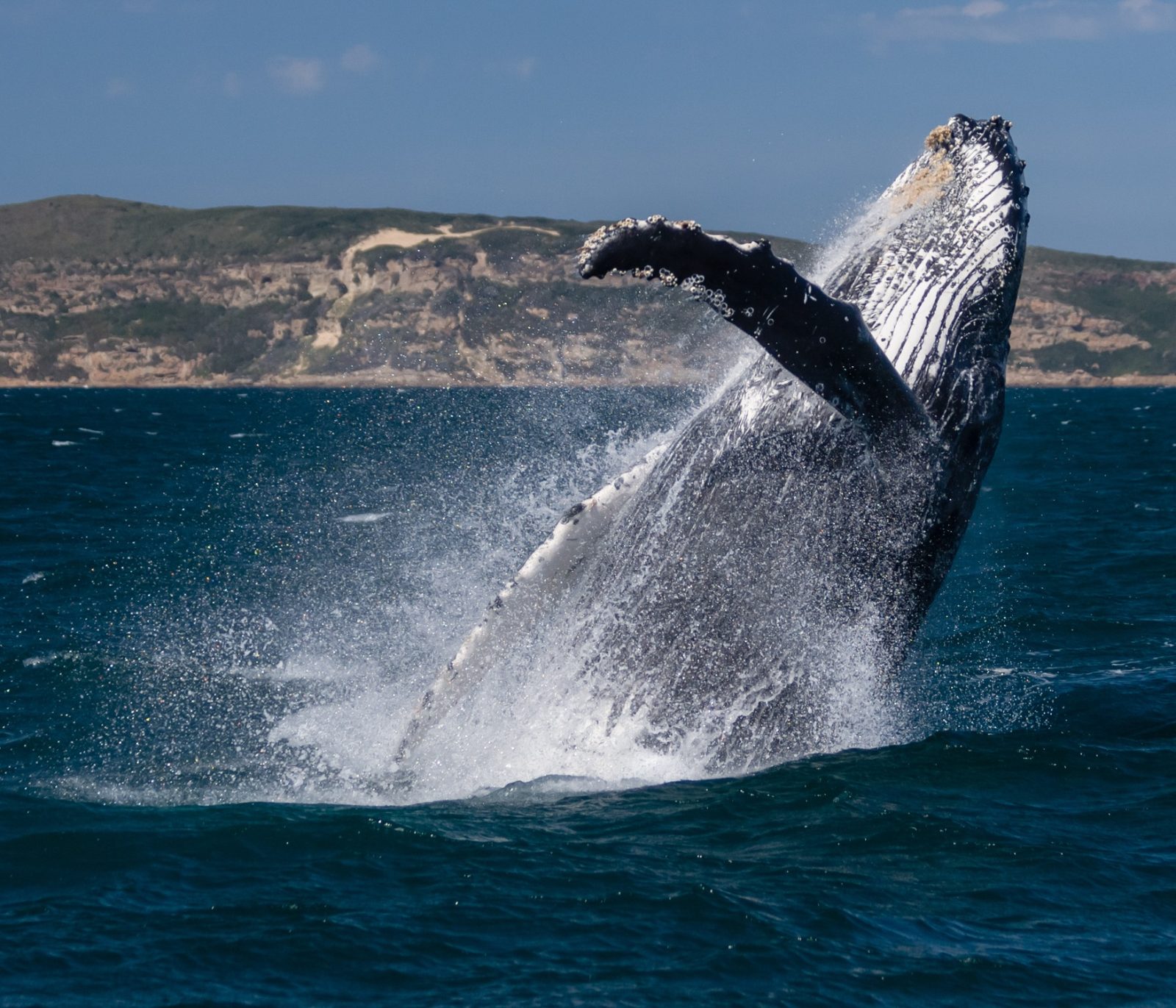
The primary whale season in Plettenberg Bay spans from June to November, with the peak window occurring between July and October. For daily observation, the best arrival window is 08:00–11:00 to capitalize on calmer sea conditions and optimal lighting.
Cool, 15°C to 20°C
Southern Right whales arrive to calve and mate. Shore-based sightings become frequent along the coastline.
Mild, 18°C to 23°C
This period marks the peak of the migration. Humpback whales are frequently observed alongside Southern Right whales.
Warm, 20°C to 25°C
Whales begin their migration back to feeding grounds in the south. Sightings become less frequent toward the end of the month.
—
Morning hours provide the most consistent visibility. Calm seas facilitate clearer spotting of surface activity.
Verdict: Plan your visit between July and October for the highest migration activity, aiming for an arrival window of 08:00–11:00.
The public coastline of Plettenberg Bay remains accessible for shore-based whale watching at all hours throughout the season. Visitors are encouraged to plan their visit during the optimal arrival window of 08:00–11:00 to take advantage of calmer sea conditions and clearer lighting.
Access to the public coastline and beaches in Plettenberg Bay for whale watching is provided at no cost. Fees only apply when choosing to utilize private commercial boat tour operators.
Verdict: Shore-based whale watching is free, while costs for boat-based excursions vary depending on the chosen private operator.
Plettenberg Bay is located along the Garden Route in the Western Cape, South Africa. The most practical way to reach the region is via the N2 national highway, which connects the town to major hubs like George and Port Elizabeth.
N2 Highway to Plettenberg Bay
Intercape or Greyhound to Plettenberg Bay
Main Street to Lookout Beach or Central Beach
Local transfer to Robberg Nature Reserve
Plan your arrival for 08:00–11:00 to utilize the best lighting and benefit from the calmer morning sea conditions for whale spotting. Public coastal access points are available throughout the bay.
Everything you need to know about whale season plettenberg bay
The primary whale season plettenberg bay runs from June to November, which is when Southern Right whales are most frequently spotted. Peak sightings typically occur from July through October during their calving and mating period.
While Southern Right and Humpback whales are seasonal visitors, Bryde's whales are permanent residents and can be spotted in the bay throughout the year. You can also see dolphins and Cape fur seals in the area regardless of the migration calendar.
We recommend an arrival window of 08:00–11:00 for the best whale season plettenberg bay experience. Calmer morning sea conditions and optimal lighting make this the ideal time for spotting these marine giants.
Yes, you can enjoy excellent land-based viewing at spots like the Robberg Peninsula, Lookout Rocks, and Beacon Island. These areas offer fantastic vantage points to observe the whales without needing to join a boat tour during the whale season plettenberg bay.
Most boat-based excursions typically last between 1.5 and 2 hours, depending on sea conditions and weather. These trips provide an up-close look at marine life while adhering to strict environmental guidelines.
No, shore-based viewing is free, as public coastline and beaches are accessible to everyone at no cost. You do not need to pay an entrance fee to enjoy the natural beauty of the ocean during the whale season plettenberg bay.